

Call us now
08045813532
Call us now
08045813532

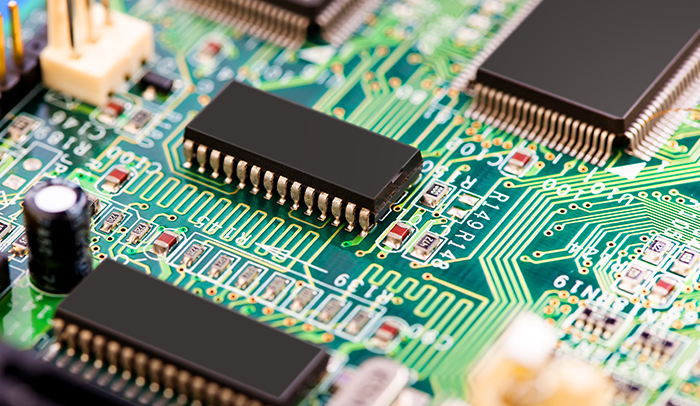
A semiconductor is a material with electrical conductivity between that of a conductor and an insulator, allowing its conductivity to be controlled. This property makes them the foundation for modern electronics like diodes, transistors, and integrated circuits, found in everything from smartphones to medical equipment. Common examples include silicon, germanium, and gallium arsenide.
Key properties
Intermediate conductivity: Semiconductors fall between conductors (like copper) and insulators (like rubber), meaning they conduct electricity under certain conditions but can also act as insulators.
Controlled current: Their conductivity can be precisely controlled by introducing impurities (doping) or by applying external stimuli like voltage, light, or temperature.
Foundation of electronic switches: They act as tiny, controllable electrical switches, turning current on and off, which is fundamental to digital technology.

Price:


 Send Inquiry



 Send Inquiry
 Send Inquiry
 Send SMS
 Call Me Free